
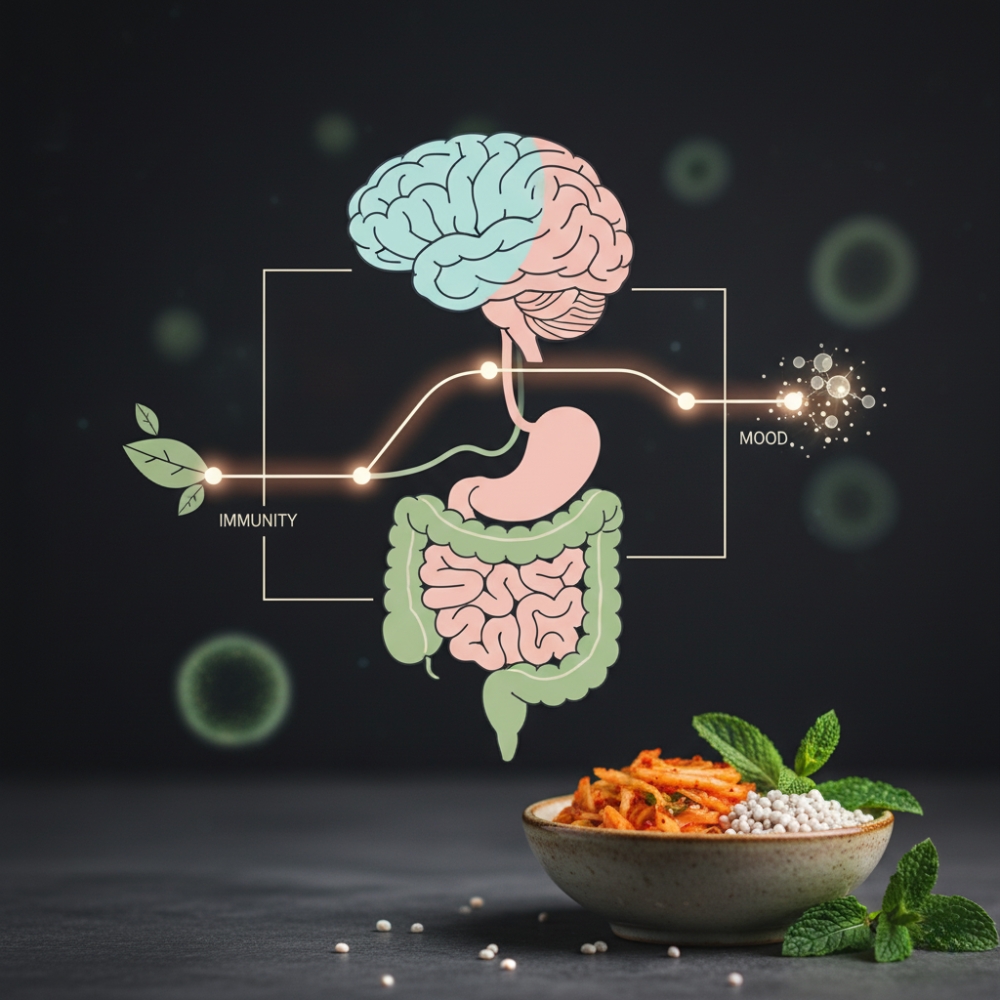
Have you ever felt “butterflies” in your stomach when nervous, or experienced gut issues during stressful times? These aren’t just coincidences; they’re prime examples of the intricate connection between your gut and your brain, a complex communication network known as the Gut-Brain Axis. At DoctorFit, we delve into this fascinating relationship, revealing how nurturing your gut health is fundamental to optimizing your mood, mental clarity, and immune system.
What is the Gut-Brain Axis?
The Gut-Brain Axis is a bidirectional highway connecting your central nervous system (brain and spinal cord) with your enteric nervous system (ENS), which is embedded in the lining of your gastrointestinal tract. Often called your “second brain,” the ENS can operate independently but is constantly communicating with your main brain through various pathways:
- The Vagus Nerve: This is the primary direct connection, a superhighway sending signals in both directions between the brain and the gut.
- Neurotransmitters: Your gut produces a significant amount of neurotransmitters, including about 90% of the body’s serotonin (a key mood regulator) and dopamine. These chemical messengers influence mood, appetite, and sleep.
- Immune System: A massive portion of your immune system resides in your gut. Gut microbes influence immune cells, which in turn can send signals to the brain.
- Gut Microbiota: Billions of bacteria, viruses, and fungi (your gut microbiome) live in your gut. These microbes produce various compounds that can travel to the brain, influencing its function.
How Your Gut Influences Your Mood and Mental Health:
The impact of gut health on mental well-being is profound and increasingly recognized:
- Serotonin Production: As mentioned, most serotonin is made in the gut. An imbalance in gut bacteria can impair this production, potentially contributing to feelings of anxiety and depression.
- Inflammation: An unhealthy gut can lead to systemic inflammation. Research shows a strong link between chronic inflammation and mood disorders.
- Stress Response: The gut microbiota can influence the body’s stress response system (the HPA axis), potentially modulating how you react to stressful situations.
- Nutrient Absorption: A healthy gut efficiently absorbs essential nutrients (like B vitamins, magnesium, omega-3s) vital for brain function and neurotransmitter synthesis.
The Gut’s Role in a Robust Immune System:
Beyond mood, your gut is a cornerstone of your immune defense:
- Barrier Function: The gut lining acts as a crucial barrier, preventing harmful substances (toxins, undigested food particles) from entering the bloodstream. A “leaky gut” can compromise this barrier, leading to immune activation and inflammation.
- Immune Cell Training: The gut microbiome educates and “trains” immune cells, helping them distinguish between harmful pathogens and beneficial substances.
- Production of Antimicrobials: Some beneficial gut bacteria produce compounds that directly combat harmful bacteria, supporting your natural defenses.
- Vitamin Synthesis: Certain gut bacteria produce essential vitamins, like Vitamin K and some B vitamins, which play indirect roles in immune function.
Nurturing Your Gut-Brain Axis: Practical Steps:
Taking care of your gut is a powerful way to enhance your mood and fortify your immune system.
- Embrace a Diverse, Fiber-Rich Diet:
- Prebiotic Foods: These feed beneficial gut bacteria. Include garlic, onions, leeks, asparagus, bananas, oats, and apples.
- Probiotic Foods: Introduce live beneficial bacteria. Think fermented foods like yogurt (with live cultures), kefir, sauerkraut, kimchi, and kombucha.
- Whole Grains & Legumes: Excellent sources of fiber that promote a healthy gut microbiome.
- Colorful Fruits & Vegetables: Rich in polyphenols that gut bacteria love.
- Stay Hydrated: Water is essential for proper digestion and nutrient absorption, supporting a healthy gut environment.
- Manage Stress: Chronic stress negatively impacts gut motility and microbiome composition. Incorporate stress-reduction techniques like meditation, yoga, deep breathing, or spending time in nature.
- Prioritize Sleep: Poor sleep can alter gut microbiota and increase gut permeability. Aim for 7-9 hours of quality sleep.
- Regular Physical Activity: Exercise can positively influence the diversity of your gut microbiome and reduce inflammation.
- Consider Targeted Supplements (with expert guidance):
- Probiotics: Specific strains can support gut barrier function, immune health, and even mood.
- Prebiotics: Fiber supplements can help nourish your existing beneficial bacteria.
- Omega-3 Fatty Acids: Known for their anti-inflammatory properties, benefiting both gut and brain health.
- L-Glutamine: An amino acid that supports the integrity of the gut lining.
Your Journey to Balanced Health with DoctorFit
Understanding the Gut-Brain Axis empowers you to make informed choices for your health. By focusing on nourishing your gut, you’re not just improving digestion—you’re investing in your mental clarity, emotional resilience, and a stronger immune defense. Explore DoctorFit’s range of high-quality gut health supplements and expert resources to support your journey to holistic well-being.